Indigenous Education
Reflections from Indigenous Studies 101 – As someone currently taking Indigenous Studies 101 in-person, I have come to appreciate how deeply learning is shaped by place, story, and accountability. One of the first concepts we explored was self-location, a foundational practice in Indigenous research that asks us to reflect on who we are, where we are, and how our presence and purpose relate to the land and its peoples. Question’s like ” Whose traditional lands are you on?” and “How does this research serve the community” are important when beginning a class and allow for further thinking. As Kovach explains, self-location involves naming one’s Indigenous identity, sharing lived experiences, and acknowledging how personal stories can shape knowledge. Furthermore, in this course territorial acknowledgements were highlighted, which are statements that recognize the Indigenous peoples whose land we live and work on. We were taught that they are political statements that center the Indigenous presence and challenge the colonial view that the land was ever open for settlement. This course has made me think more critically about how institutions design learning environments and whether they support inclusion and decolonization.
Much of the information I will be sharing today comes from information I have adapted from Indigenous Studies 101 at the University of Victoria
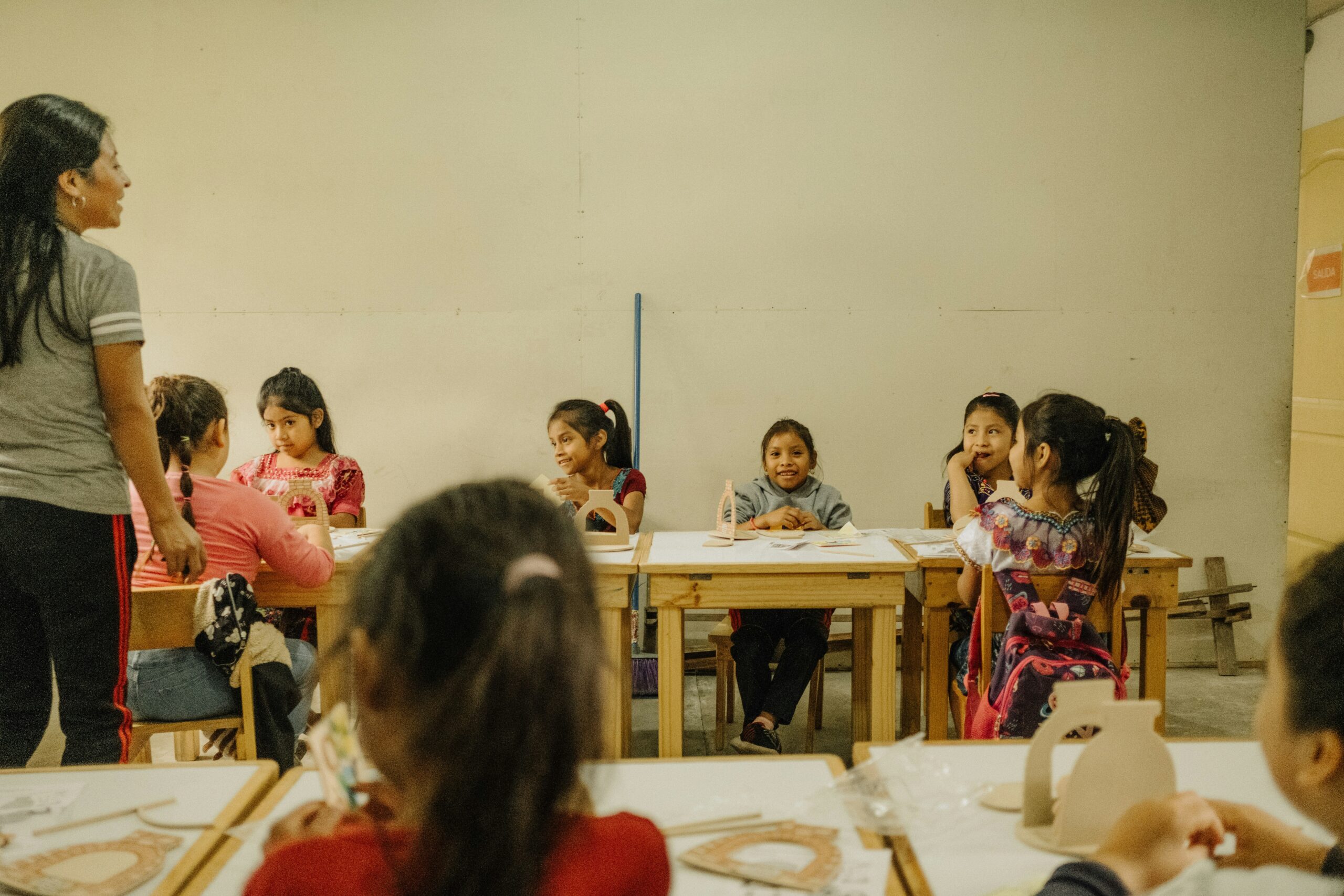
Face to Face Learning – In-person learning offers unique opportunities for inclusion and decolonization. Physical classrooms can be transformed into spaces of ceremony and dialogue. Territorial acknowledgements, when spoken aloud and situated in real time and place, carry weight. They can be followed by meaningful engagement with local Indigenous communities such as the W̱SÁNEĆ and Lekwungen here in Victoria. Face to face learning also allows for spontaneous relationality. Eye contact, shared meals, and learning together on the land can create trust and reciprocity, which are two key values in the Indigenous worldview.
Online Learning – Online learning, by contrast, often struggles to replicate the relational and place based elements. While online learning offers flexibility and accessibility, especially for remote learners, it can feel disconnected from land and community. Territorial acknowledgements may appear as static text on a syllabus, stripped of their political force. Self-location, if included at all, might be reduced to a discussion post rather than a reflective, ongoing practice. Although, there are certain online courses that incorporate interactive elements such as interactive maps for territorial recognition, video storytelling for self-location, and synchronous circles that mimic in-person talking circles. From the lecture, I was struck by the critique that many online courses are designed with a “content delivery” mindset rather than a “relational accountability” framework. This design often prioritizes efficiency over ethics. As the instructor emphasized, decolonizing education means moving beyond inclusion to transformation, where Indigenous ways of knowledge are not just added but centered.

Designing for Relational Inclusion – Decolonizing online education means designing with intention and embedding self-location as a living practice, making territorial acknowledgements relational and political, and creating space for Indigenous voices to lead. Institutions must ask, “Are we designing for convenience, or for connection?” “Are we replicating colonial structures in digital form, or reimagining learning as a pathway to resurgence?” The answers lie not in the technology itself, but in how we use it to uphold Indigenous values of respect, reciprocity, and responsibility.