Children’s Vaccine Clinic
For the past year I have volunteered in a children’s vaccine clinic here in Victoria. My tasks involve checking in the babies for their appointments, running the waiting room, conducting basic measurements on the babies including weight, height, and head circumference, and assisting parents with intake forms. Although those are my basic tasks I have picked up quite a bit of infomration on childrens vaccines.
For example, children must be up to date with thier vaccines to enroll in school, although it is not a law the status of immunization must be given to the school. If parents opt to not vaccinate thier school age children they must speak with the public health authority as some schools make it mandatory. From birth, children are given shots at 2 months, 4 months, 6 months, 12 months, 18 months, and then kindergarten. The clinic that I volunteer at offers vaccines for babies from 2 months to 18 months, after that children begin to receive their vaccines through schools.

As parents can be wary of vaccines there is an opportunity to take part in parent led vaccinations where parents come into the clinic, discuss the vaccinations with the nurse, and then decide which vaccines they want to give their child.
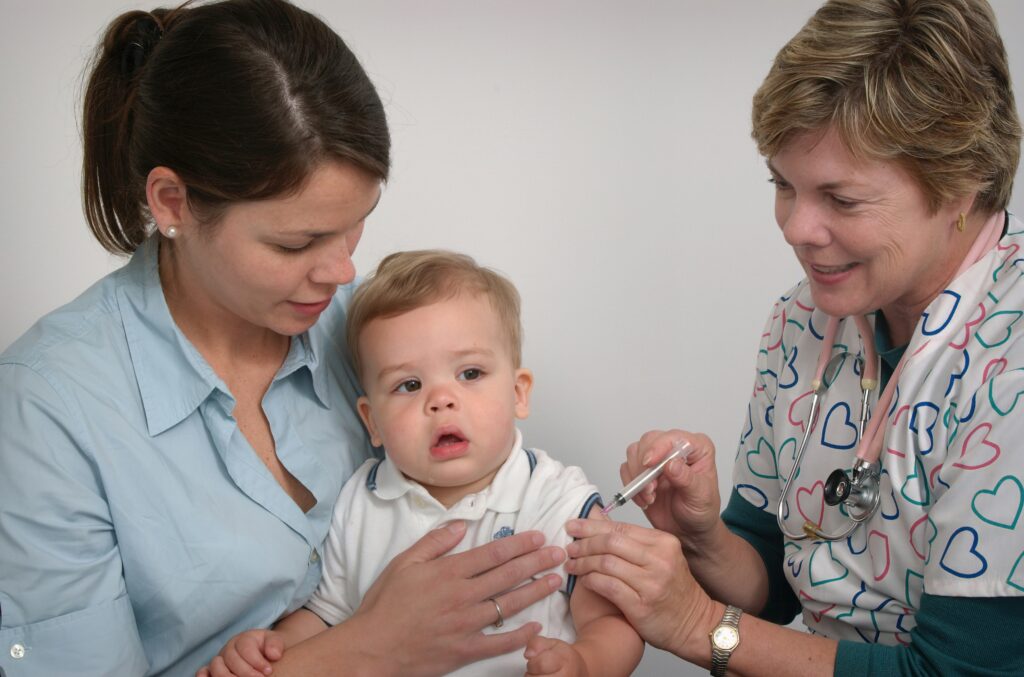
From my experience as a volunteer it appears that most parents who come into the clinic want their children to receive all the vaccinations. Those parents who do, often receive their vaccine information from the nurses directly. Those who come in asking questions often bring them due to their own research on the internet. They worry for the side effects or potential harm that can be done from the vaccine. When they bring the concerns to the nurses they comfort parents and inform them of the true side effects and emphasize the benefits of childhood vaccinations. The nurses also have pamphlets for some vaccines which they can share with parents to ease their concerns as the pamphlets have further information on the vaccinations. I have realized that the majority of parents take their children to get vaccinated as they feel it is the “right” thing to do. Everyone else is doing it, and they are generally considered to be the most effective measure to prevent certain illnesses. Even when parents are unaware of what vaccines actually are or how they work they have enough trust in the medical system and the nurses that they feel they should get their children vaccinated.